
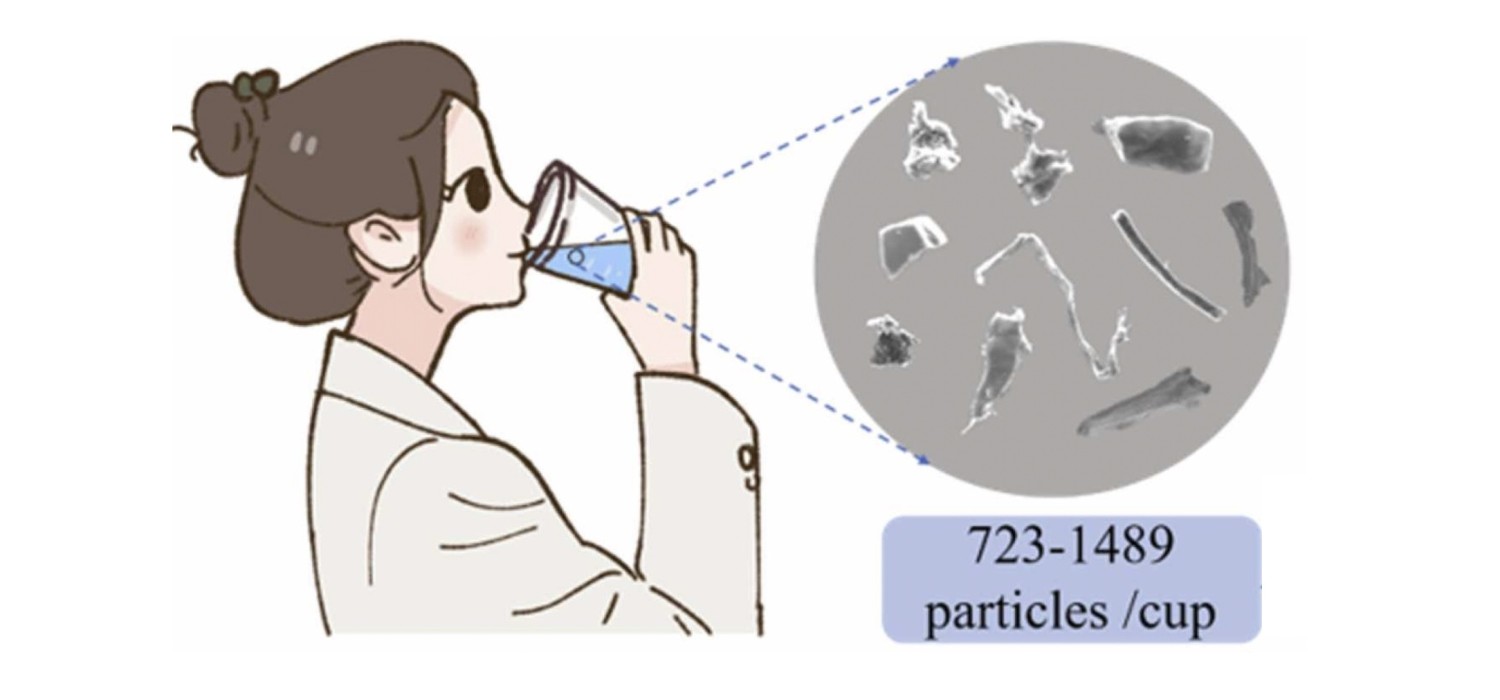

Microplastics associated contaminants from disposable paper cups and their consequence on human health
Abstract
Objective: Paper cups are mostly used for consuming beverages. These cups have an interior laminated hydrophobic thin film coated with polyethene and copolymers. During association with hot water or beverages ions like nitrite, chloride, fluoride and microplastic particles were released into water. Deposition of these particles has serious health effects in human. So, the objectives of the present study are to evaluate the degradation of the microplastic particles as a result of exposure to hot water. Methods:Different characterization techniques like UV-Vis spectroscopy, scanning electron microscopy, Gas chromatography-mass spectroscopy, Fourier transform infrared spectroscopy and Inductively coupled plasma optical emission spectroscopy are used to identify microplastic particles. Information about microplastic content in such samples is limited, yet most of the analytical methods used are very time-consuming. Results:Sample preparation and detection require sophisticated analytical tools and eventually require high user knowledge. This research shown that microplastics can leach from the lining of disposable cups into the beverage within minutes of contact with hot liquids. GCMS report shows that Phthalates compound and chemical exposure affect the endocrine system which interferes with hormone function. When exposed to hot water, the plastic coatings start to break down and the compounds like Diethyl phthalate, Di-2-ethylhexyl-adipate, Butylated hydroxytoluene, Benzotriazole, Styrene, Vinyl chloridewere found in the hot water. Some scientists have shown that certain bacterial enzymescan hydrolyze and degrade the microplastic compound. Conclusions: This research discusses paper cup microplastic compounds and the binding affinity of detoxificationenzyme interaction have been discussed in silico. However, this research recommends to opting for reusable cups made of glass, steel, and safer materials like soil-made cup.
